拾光记 Lumina
Why we look up at the stars
Section titled “Why we look up at the stars”The universe began about 13.8 billion years ago and has been cooling ever since. Some 380,000 years in, it grew cold enough for electrons to join atomic nuclei and for light to travel freely for the first time. That faint afterglow is what we still detect today as the cosmic microwave background. Then came long ages of darkness, until gas drew together under gravity, collapsed, and ignited: the first stars lit the void.
Inside stars, hydrogen and helium are forged into heavier elements. When those stars burn out as supernovae, or collide as neutron stars, that material is scattered back into space and gathered into the next generation of stars and planets. Round after round, the carbon, oxygen, and iron in your body all came from some star that died long ago. We are, quite literally, a span of cosmic time made flesh.
So when we look up, we are not seeing a distant elsewhere but our own origin. This wiki is built for that curiosity and that sense of belonging: from learning a single star and reading a star chart to capturing the faint light of the deep sky yourself. It is here to help you come to know the night sky, and the universe we are part of.
Astronomy
Celestial coordinates, time systems, magnitudes, the Solar System, stars, deep-sky objects, cosmology, and observing conditions.
Astrophotography
Optics, sensors, exposure, calibration frames, deep-sky and planetary capture, remote imaging, and post-processing workflows.
Knowledge index
Section titled “Knowledge index”Where to start
Section titled “Where to start”Image gallery
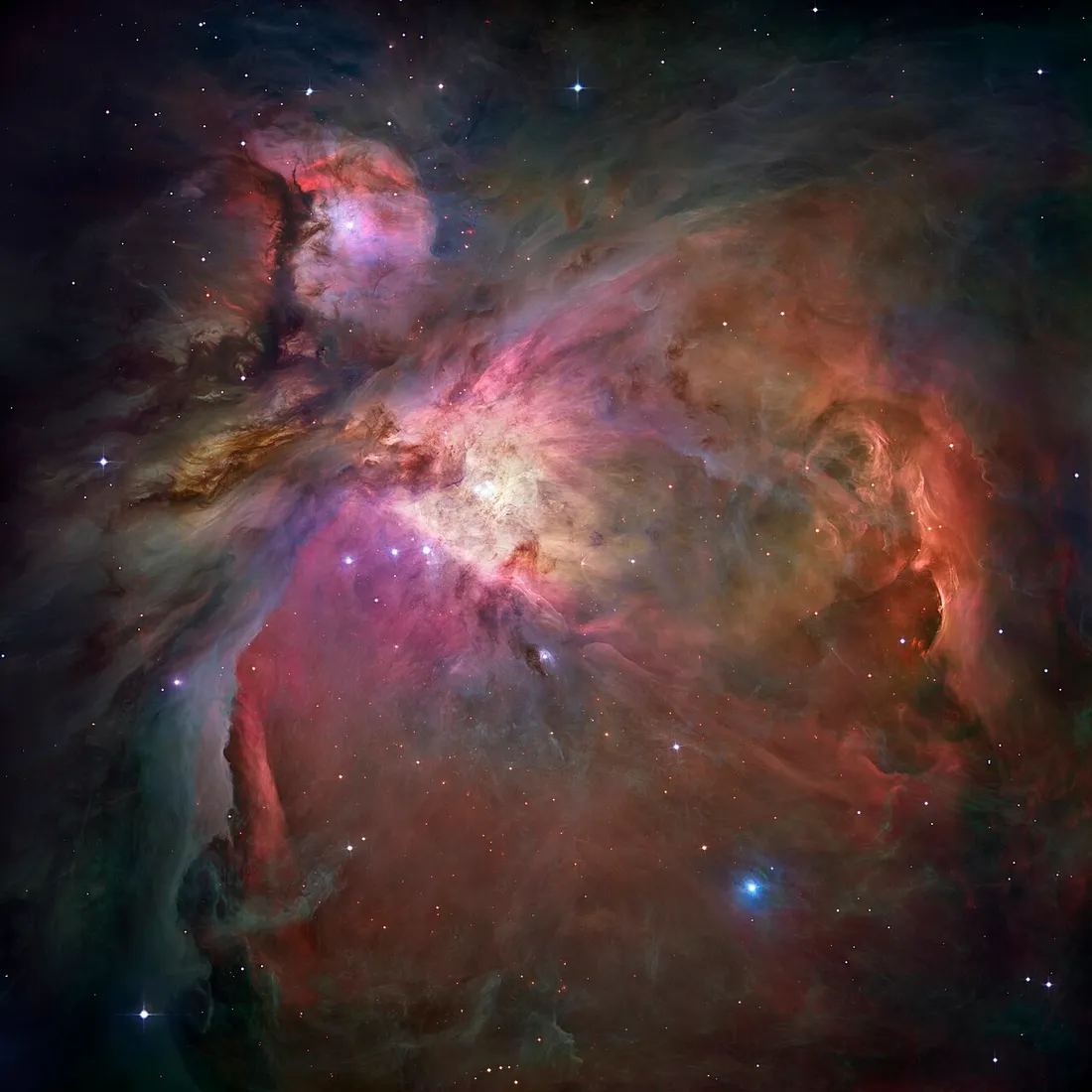
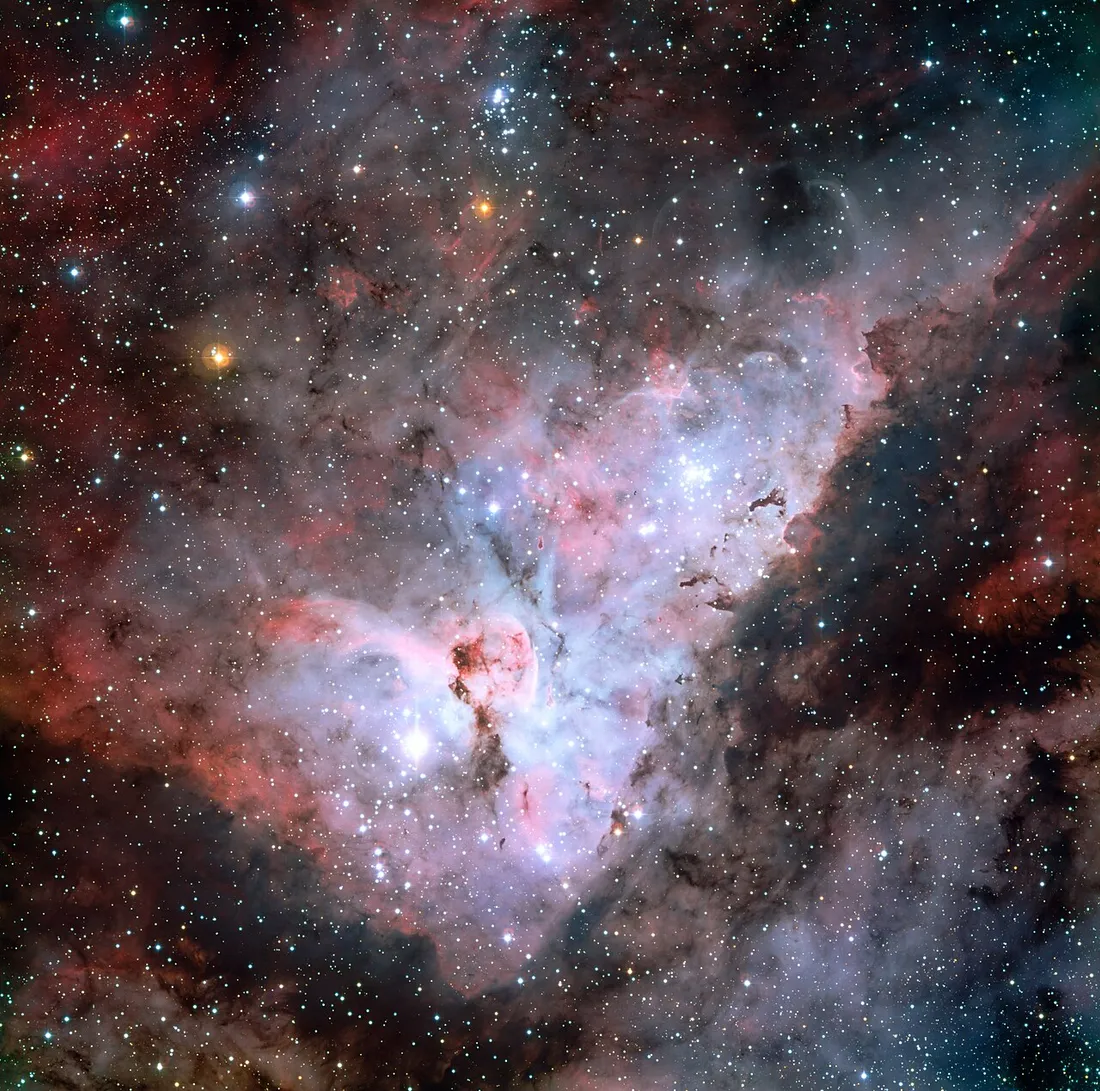
Section titled “Image gallery”Images on this site come from public-domain or openly licensed sources such as NASA, ESO, ESA/Hubble, and Wikimedia Commons. Click anywhere below to open the guide to notable deep-sky objects and browse them all.